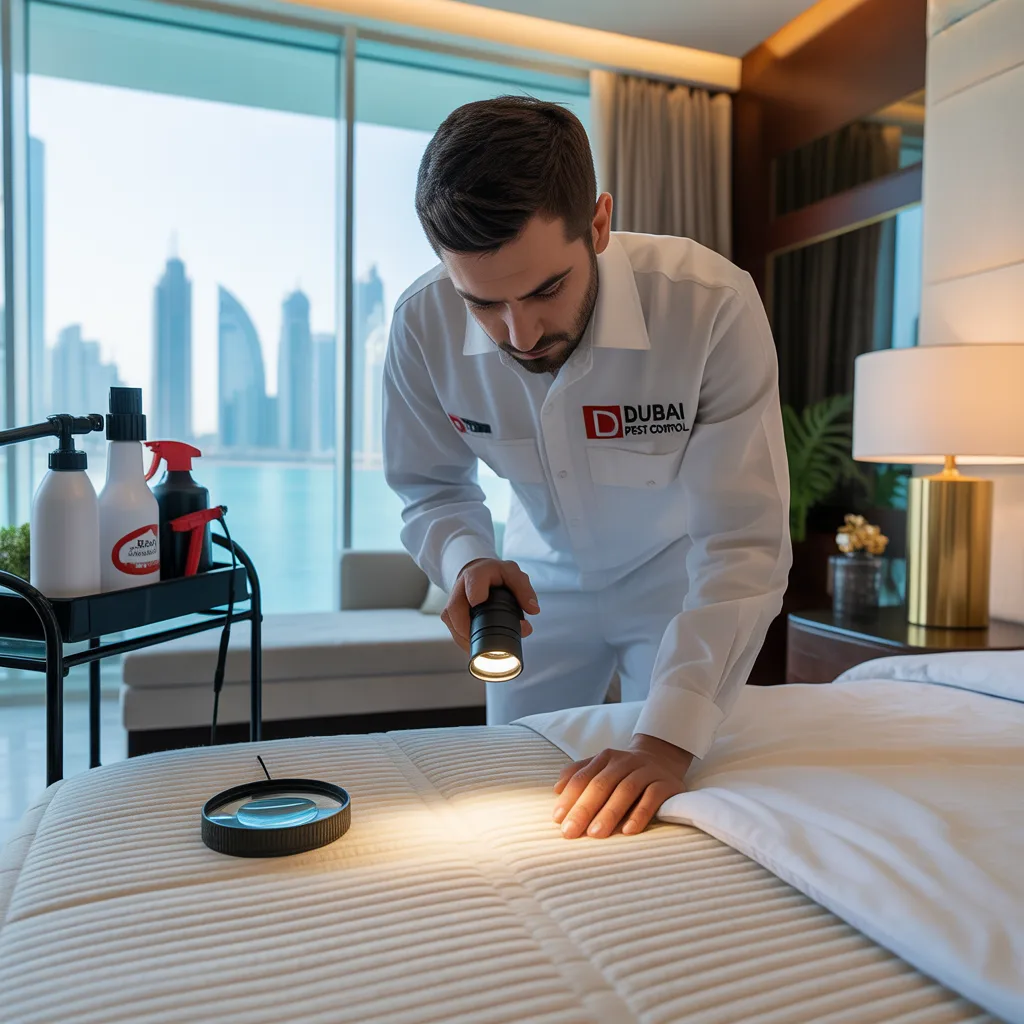

In Dubai’s competitive hospitality industry, guest satisfaction is everything. A comfortable room, excellent service, and spotless cleanliness all contribute to positive reviews—but a single bed bug complaint can quickly undo years of hard work.
Bed bugs are among the most challenging pests for hotels because they travel easily in luggage, clothing, and personal belongings. Even the cleanest hotels can experience an infestation when a guest unknowingly brings bed bugs into the property.
Fortunately, with regular inspections, staff training, and preventive pest management, hotels can significantly reduce the risk of bed bug infestations.
In this guide, we’ll explain how hotels in Dubai can identify, prevent, and manage bed bugs before they affect guests and damage a property’s reputation.
Why Bed Bugs Are a Serious Problem for Hotels
Unlike cockroaches or rodents, bed bugs feed on human blood and typically hide near sleeping areas. They are excellent hitchhikers and can move from one room to another through luggage, housekeeping carts, furniture, or even wall voids.
For hotels, a bed bug infestation can result in:
- Negative online reviews
- Guest complaints
- Compensation claims
- Room closures
- Lost bookings
- Increased treatment costs
- Damage to brand reputation
The earlier bed bugs are detected, the easier—and less costly—they are to eliminate.
How Bed Bugs Enter Hotel Rooms
Most infestations begin when guests unknowingly bring bed bugs into the hotel.
Common sources include:
- Luggage
- Backpacks
- Clothing
- Second-hand furniture
- Laundry carts
- Delivery items
Once inside, bed bugs hide in small cracks and begin reproducing rapidly if left untreated.
Early Signs of Bed Bugs
Housekeeping staff and maintenance teams should know how to identify the earliest warning signs.
Look for:
- Tiny reddish-brown insects around beds
- Small black spots on mattresses
- Blood stains on sheets
- Shed insect skins
- White bed bug eggs
- Musty, sweet odor in severe infestations
- Guest complaints of itchy bites after sleeping
Routine inspections are the best way to catch infestations before they spread.
Areas Hotels Should Inspect Regularly
Bed bugs prefer to stay close to sleeping areas, but they can hide in many places.
High-risk inspection points include:
Guest Rooms
- Mattress seams
- Bed frames
- Headboards
- Pillows
- Upholstered chairs
- Curtains
- Carpets
Public Areas
- Lounge furniture
- Waiting areas
- Conference seating
Staff Areas
- Housekeeping storage
- Laundry rooms
- Linen carts
Even rooms without guest complaints should be inspected periodically as part of a preventive maintenance program.
10 Best Ways Hotels Can Prevent Bed Bug Infestations
1. Train Housekeeping Staff
Housekeeping employees are often the first people to enter guest rooms after checkout. Training them to recognize early signs of bed bugs can prevent a small issue from becoming a widespread infestation.
Staff should immediately report:
- Blood spots
- Black stains
- Shed skins
- Live insects
- Guest complaints
2. Inspect Every Room Regularly
Routine inspections should be carried out even when there are no visible signs of pests.
Hotels with high occupancy should consider scheduled professional inspections throughout the year.
3. Use Mattress and Box Spring Encasements
Protective encasements make inspections easier and reduce the number of hiding places available to bed bugs.
4. Vacuum Thoroughly
Regular vacuuming of mattresses, carpets, furniture, and upholstered areas helps remove insects and eggs before they spread.
5. Reduce Clutter
Keeping storage areas organized minimizes hiding places and makes inspections more effective.
6. Wash Bedding at High Temperatures
Bed linens, pillowcases, and blankets should be washed and dried according to manufacturer recommendations using temperatures suitable for effective cleaning.
7. Inspect Luggage Storage Areas
If your hotel stores guest luggage, inspect these areas regularly since luggage is one of the most common ways bed bugs are introduced.
8. Respond Quickly to Guest Complaints
Never ignore reports of bites or suspected bed bugs. Prompt inspections and, if necessary, treatment can prevent a localized issue from spreading.
9. Schedule Professional Pest Inspections
Professional inspections help detect hidden activity that may not be visible during routine cleaning.
10. Implement a Preventive Pest Management Plan
Hotels that invest in ongoing pest management are better positioned to prevent infestations and maintain high guest satisfaction.
Why Professional Bed Bug Control Matters
DIY sprays and over-the-counter products rarely eliminate bed bugs completely. These pests can hide in tiny cracks and survive for long periods without feeding.
Professional pest control offers:
- Thorough inspections
- Targeted treatment plans
- Safe application methods
- Follow-up monitoring
- Prevention recommendations
- Long-term protection
Working with experienced professionals reduces the risk of repeat infestations and helps protect your hotel’s reputation.
Case Study: Early Detection Prevented a Hotel-Wide Infestation
A hotel in Dubai noticed two guest complaints about insect bites over the course of one week. Instead of waiting for more reports, management arranged a professional inspection.
Technicians discovered early signs of bed bug activity in one room and inspected neighboring rooms as a precaution. A targeted treatment plan was carried out, affected furnishings were managed appropriately, and housekeeping staff received additional training on inspection procedures.
Because the issue was identified early, the hotel was able to limit the problem to a small area and continue normal operations with minimal disruption.
Frequently Asked Questions
Can clean hotels get bed bugs?
Yes. Bed bugs are introduced by travelers and luggage, not by poor cleanliness.
How often should hotels inspect for bed bugs?
Routine room checks should be part of housekeeping, with professional inspections scheduled regularly based on occupancy levels.
Do bed bugs spread quickly?
Yes. Without prompt action, they can move to nearby rooms and furniture.
Should a hotel close rooms after discovering bed bugs?
The affected room should be removed from service until appropriate inspection and treatment have been completed.
Can professional pest control prevent future infestations?
Preventive inspections and maintenance reduce the risk of infestations and support early detection.
Final Thoughts
Preventing bed bug infestations requires more than reacting to guest complaints. A proactive strategy that combines staff awareness, regular inspections, good housekeeping practices, and professional pest management can help hotels protect their guests and maintain a strong reputation.
If you want to reduce the risk of bed bugs and other common hotel pests, Best Pest Control Dubai provides professional inspections, discreet treatment, and customized pest management solutions for hotels across Dubai.
👉 Need expert help? Contact Best Pest Control Dubai today at 055 163 6392 to schedule a professional hotel inspection.
For comprehensive commercial pest management, visit our Hotel Pest Control Dubai service page to learn how we help hotels, resorts, and hospitality businesses maintain a safe, hygienic, and pest-free environment.